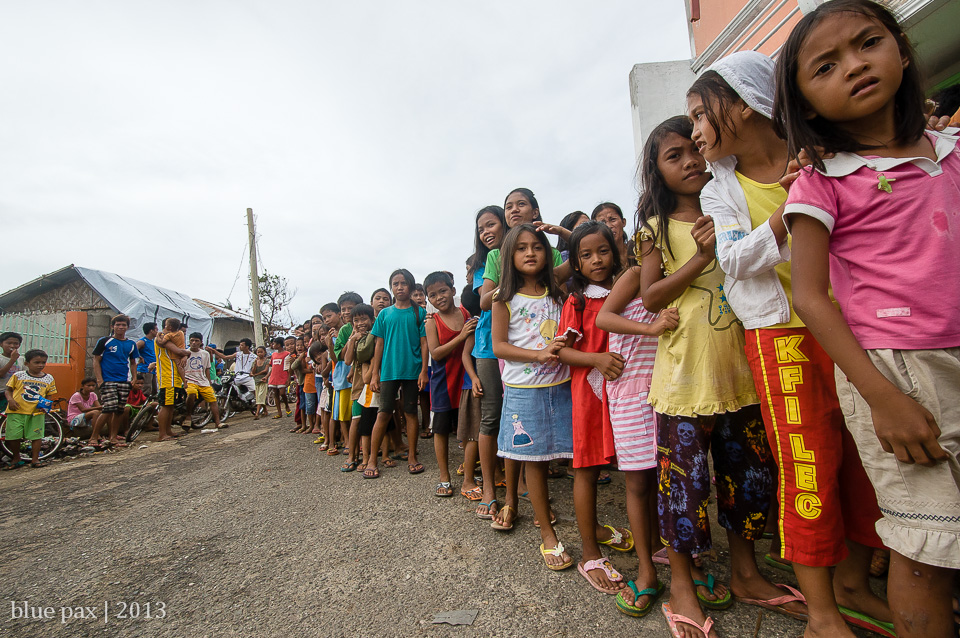
In the quiet corners of a classroom, a child learns three things that define their entire adult life: context (the "where" and "why"), consent (the "may I?"), and conscience (the "should I?"). These are the gears of critical thinking. However, as we look at the Philippines in March 2026, a strange paradox has emerged. We are a nation that is world-class at "reading the room" socially, yet we are facing a "proficiency collapse" in reading the world on paper. For…

My daughter recently took an IQ test and came home with an above-average score. Naturally, she was thrilled, but then she hit me with a question that stopped me in my tracks: "Papa, what’s the IQ of a dumb person?" It was one of those parenting moments where you realize a dictionary definition just won't cut it. I told her that being "dumb" isn’t actually about an inability to learn, a lack of access to books, or a low score…

It’s been a wild ride at the gas pumps lately. One day prices are up, the next they’re down a tiny bit, and then suddenly they’re soaring again. This constant fluctuation can be incredibly stressful, especially when every peso counts. And with the current global climate, particularly with the ongoing situations in the Middle East, it feels like we're always bracing for the next big jump. Many of us wonder, "Why does our gas price immediately reflect what's happening halfway…
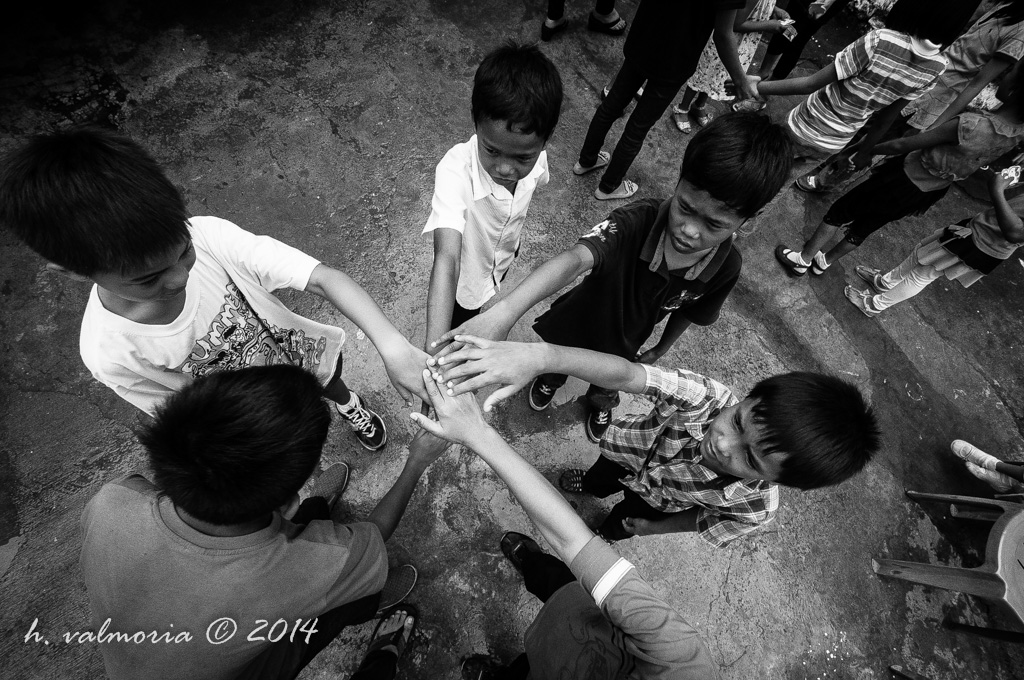
In a typical Pinoy household, we celebrate the “well-rounded” child. You know the one: the honors student who also plays the keyboard, leads the rosary, and always remembers to mano to every single Tita at the party. But for many Gen Z parents today, the reality looks a bit different. You might have a child who can explain the intricacies of black holes or the lore of a complex video game (High IQ), yet they’ll have a total meltdown because…

Walk into any karenderya at lunchtime or scroll through your Tita’s Facebook feed, and you’ll realize something quickly: Filipinos love talking about right and wrong. From celebrity scandals to political maneuvers, we are a nation constantly calibrating our moral compass. But when the topic shifts from neighborhood gossip to life-and-death issues like war and armed conflict, that compass starts spinning wildly. We often hear the sentiment, “Peace is always the answer,” or that being against war is inherently the “moral”…

Part 3 of 3 If Parts 1 and 2 were about the laws we pass and the leaders we choose, Part 3 is about the stories we tell ourselves—and how those stories might be keeping us small. We often talk about the Philippines being “on the rise,” but in 2026, many of us feel like we’re hitting a glass ceiling. It’s not made of wood or stone; it’s made of mindsets. It’s the internal weight of a conservatism that tells…